
 h2>Benadryl and sleep: the short answer
Benadryl can make people sleepy because many Benadryl products contain diphenhydramine, a sedating antihistamine. In the United States, diphenhydramine hydrochloride and diphenhydramine citrate are permitted active ingredients in over-the-counter nighttime sleep-aid products for relief of occasional sleeplessness. That does not make Benadryl, or diphenhydramine, an appropriate routine treatment for chronic insomnia.
The key distinction is occasional versus persistent sleep trouble. Diphenhydramine may help some people feel drowsy or fall asleep more easily in the short term, but sedation is not the same as treating an ongoing sleep disorder, improving daytime function, or addressing the reason sleep is disrupted. If sleeplessness continues for more than two weeks, US OTC sleep-aid labeling directs users to ask a doctor because persistent insomnia may signal an underlying medical problem.
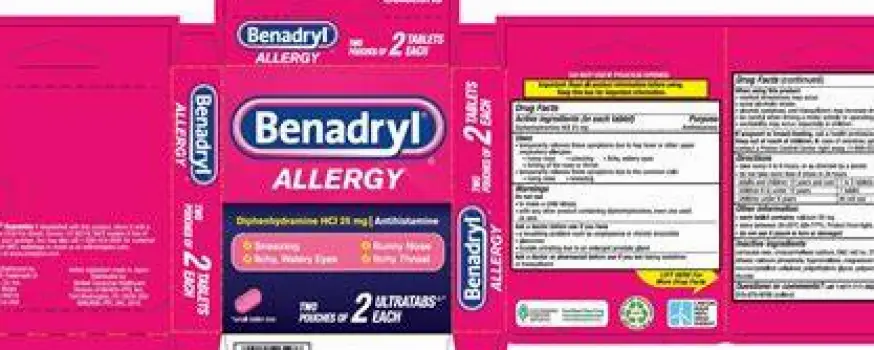
Product identification matters. Benadryl is a brand name, not a guarantee that every package has the same ingredients or the same purpose. Diphenhydramine also appears in stand-alone sleep aids and in multi-ingredient pain, allergy, cold, and nighttime products. Some products labeled 'PM' or 'nighttime' contain additional active ingredients that may be unnecessary or risky if taken only for sleep. The safest starting point is to read the active-ingredient panel on the exact package and confirm whether it contains diphenhydramine alone or other medicines as well.
For chronic insomnia in adults, professional guidance points elsewhere. The American College of Physicians recommends cognitive behavioral therapy for insomnia as the initial treatment for chronic insomnia disorder, with medication decisions made through shared decision-making when needed.
Why Benadryl makes you sleepy
Diphenhydramine is a first-generation antihistamine. It blocks histamine H1 signaling, and unlike some newer antihistamines, it readily enters the central nervous system. Histamine activity in the brain helps support wakefulness, so blocking that signaling can reduce alertness and produce drowsiness.

That same sedating effect is why diphenhydramine appears in some OTC nighttime sleep aids. But drug-induced drowsiness does not necessarily mean sleep is deeper, more restorative, or better matched to the cause of the sleep problem. A person may feel sleepy without getting a meaningful improvement in sleep quality or next-day functioning.
Diphenhydramine also has anticholinergic effects, which helps explain several of its unwanted effects. Anticholinergic activity can contribute to dry mouth, dryness of the nose and throat, urinary difficulty, and vision problems. In susceptible people, especially older adults or those taking other medicines with similar effects, this property can become more than a nuisance. It can add to confusion, dizziness, and other safety concerns.
Some people also respond unpredictably. Excitement can occur, especially in children, which is one reason diphenhydramine should not be used simply to make a child sleepy.
Key Takeaways about Benadryl and Sleep
How well diphenhydramine works for occasional sleeplessness
The evidence for diphenhydramine as a sleep aid is limited and mixed. It can cause sedation, and some people may perceive short-term benefit, but the available evidence does not establish it as a reliable or durable treatment for insomnia.
One randomized controlled trial found that 50 mg of nighttime diphenhydramine produced modest improvement in subjective sleep measures among adults with mild insomnia during a 14-day treatment phase. That finding is narrow: it involved adults with mild insomnia, measured short-term use, and showed modest subjective improvement. It does not prove that everyone will benefit, that sleep quality or daytime function will meaningfully improve, or that the medicine provides long-term benefit.
Professional guidance is more cautious for chronic insomnia. The American Academy of Sleep Medicine suggests clinicians should not use diphenhydramine to treat sleep-onset or sleep-maintenance insomnia in adults. The recommendation is weak, reflecting limited evidence, not proof that no individual can ever feel sedated or experience short-term improvement.
This distinction is central. Falling asleep more easily on a given night is not the same as treating chronic insomnia. Ongoing sleep problems can be driven by stress, medical conditions, medications, sleep apnea, irregular sleep schedules, or other factors that a sedating antihistamine does not evaluate or correct.
How to use a diphenhydramine sleep aid safely
If an OTC diphenhydramine nighttime sleep aid is used, the package label should guide use. In the United States, OTC nighttime sleep-aid labeling for diphenhydramine applies to adults and children aged 12 or older for occasional sleeplessness. Labeling for diphenhydramine hydrochloride sleep-aid products specifies 50 mg at bedtime if needed, or as directed by a doctor, and says not to exceed the recommended dose. This is labeling information, not individualized medical advice.
Do not assume that 'Benadryl,' 'PM,' 'nighttime,' or 'sleep aid' always means the same thing. Check the active-ingredient panel every time. Confirm whether diphenhydramine is the only active ingredient or whether the product also contains pain relievers, cold medicines, or other drugs. This helps prevent accidental duplication, including taking more than one diphenhydramine-containing product at the same time.
US OTC nighttime sleep-aid labeling warns not to combine the product with another diphenhydramine-containing product, including one used on the skin. Diphenhydramine can appear in allergy medicines, sleep aids, cold products, and topical products.
Children under 12 should not be given a diphenhydramine nighttime sleep-aid product. Diphenhydramine also should not be used simply to make a child sleepy, and adult diphenhydramine products should not be given to children.
Taking more than directed can be dangerous. In the United States, Poison Control is available at 1-800-222-1222. If a person has collapsed, had a seizure, has trouble breathing, or cannot be awakened, emergency services should be called immediately.
Side effects, tolerance, and next-day impairment
The side effects most relevant to sleep-aid use include drowsiness, dizziness, dry mouth, dryness of the nose and throat, and muscle weakness. Some people experience excitement rather than sedation, especially children. Vision problems and difficult or painful urination are more serious effects that require medical attention.
The sedation can carry over. Diphenhydramine may impair driving or operating machinery, and alcohol can add to that drowsiness. A person who takes it at night may still feel slowed, groggy, dizzy, or less alert the next day. This is especially important before driving, working with equipment, caring for others, or doing anything that requires clear reaction time.

Tolerance is another limitation. Older-adult prescribing guidance notes that tolerance develops when diphenhydramine is used as a hypnotic. Repeated use may produce diminishing sedative benefit, which can tempt people to use it more often or take more than directed. The label still matters: do not exceed the recommended dose or repeat dosing in ways the package does not direct.
Overdose is different from ordinary side effects and can be dangerous. Severe symptoms can include collapse, seizure, trouble breathing, or inability to awaken; those situations require emergency help. Poison Control can provide urgent guidance in the United States when overdose is suspected, but severe symptoms should not be managed at home while waiting to see what happens.
Who should avoid it or seek professional advice first
Older adults are a materially different safety population for diphenhydramine. The 2023 American Geriatrics Society Beers Criteria recommends avoiding oral diphenhydramine in older adults because it is highly anticholinergic, clearance is reduced with advanced age, and tolerance develops when it is used as a hypnotic. Cumulative anticholinergic exposure is associated with risks including falls, delirium, and dementia. That association does not prove that diphenhydramine by itself causes dementia, but it is a major reason routine sleep-aid use is discouraged in this age group. Use for an acute severe allergic reaction may still be appropriate.
Some people should ask a clinician or pharmacist before using diphenhydramine, particularly if they have glaucoma, difficulty urinating or an enlarged prostate, chronic lung disease, are pregnant or breastfeeding, or take other medicines or supplements. These situations can change the risk-benefit balance or increase the chance of unwanted effects.
Avoid alcoholic drinks when using a diphenhydramine nighttime sleep aid. US OTC labeling also directs users to ask a doctor or pharmacist before use with sedatives or tranquilizers. Do not combine it with another diphenhydramine-containing product, including topical products, because accidental duplication can raise the risk of toxicity.
Children also require special caution. OTC nighttime sleep-aid labeling does not apply to children under 12, adult products should not be given to children, and diphenhydramine should not be used to make a child sleepy.
Better options for persistent sleep problems
Repeated or ongoing sleep difficulty should not be managed by continuing to self-treat with a sedating antihistamine. US OTC sleep-aid labeling directs users to ask a doctor if sleeplessness continues for more than two weeks because persistent insomnia may indicate an underlying medical problem.
Chronic insomnia is usually better approached by looking for causes and using a treatment strategy that can last beyond a single night. The American College of Physicians recommends cognitive behavioral therapy for insomnia as the initial treatment for adults with chronic insomnia disorder. CBT-I addresses behaviors and thought patterns that maintain insomnia, and treatment should be individualized to the person's symptoms, health conditions, and goals.
A healthcare professional can also help identify problems that diphenhydramine will not fix, such as suspected sleep apnea, medication-related sleep disruption, mood or anxiety disorders, pain, restless sleep, or other medical contributors. Daytime impairment, repeated reliance on OTC sleep aids, worsening sleep, or persistent trouble falling or staying asleep are good reasons to bring sleep up during a medical visit.
Medications may still have a role for some people, but for chronic insomnia those decisions should involve shared discussion of benefits, harms, and costs rather than routine diphenhydramine use.