
Jimmy Health
Dermatology
Find information about skin, hair, and nail health, including common conditions, symptoms, treatments, prevention, and everyday dermatological care.

Image
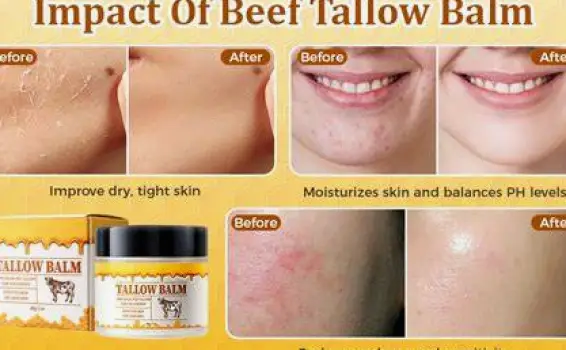
Is Beef Tallow Good for Your Skin? Evidence, Risks, and Alternatives
Beef tallow may reduce moisture loss, but evidence for acne, eczema, anti-aging, and other skin benefits is weak. Review its limitations and safer-use considerations.
Image
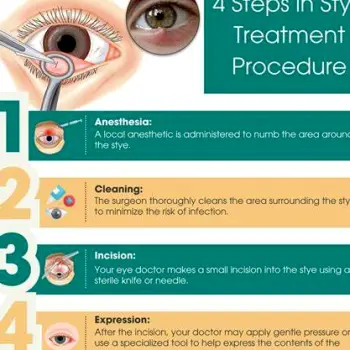
How to Get Rid of a Stye Safely-and What Can Help Overnight
Find out how to care for a stye safely, why it probably will not disappear overnight, what to avoid, and when an eyelid bump needs professional assessment.
Image

Can Creatine Make Your Hair Fall Out? What the Research Actually Shows
Review the evidence behind claims that creatine causes hair loss, including the DHT study, newer hair-follicle research, key limitations, and what to do if thinning occurs.
Image
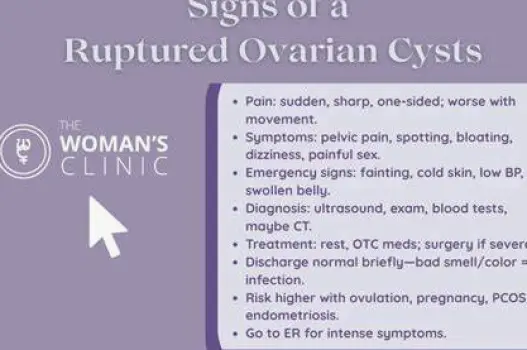
After an Ovarian Cyst Ruptures: Symptoms, Recovery, and Warning Signs
Discover what may happen after an ovarian cyst ruptures, from common symptoms and recovery expectations to warning signs that need urgent medical care.
Image
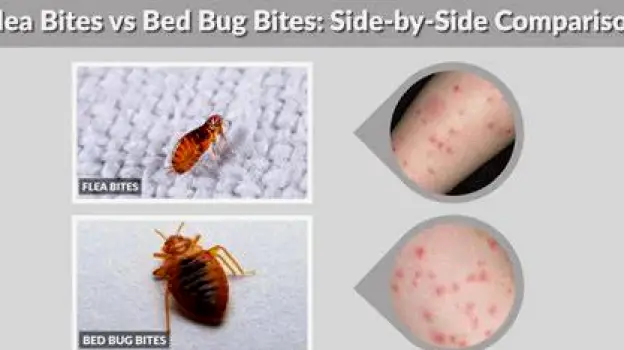
Bed Bug Bites or Flea Bites? Key Differences and What to Do
Find out how to compare bed bug bites and flea bites by body location, pattern, timing, and household clues, with safe itch relief and guidance on when to seek medical care.
Image
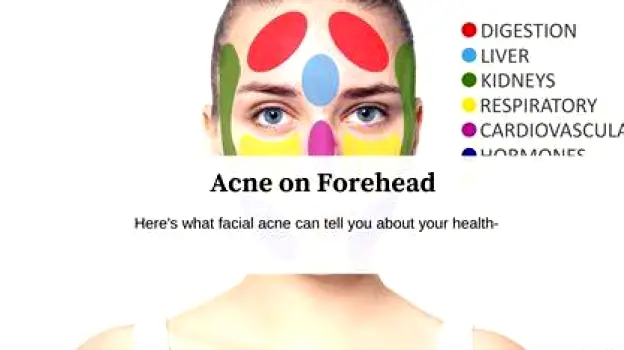
What Causes Forehead Acne? Common Triggers and Treatment Options
See why forehead acne develops, how hair products, hormones, sweat, friction and skincare can contribute, which evidence-based treatments are appropriate, and when to seek dermatology care.
Image
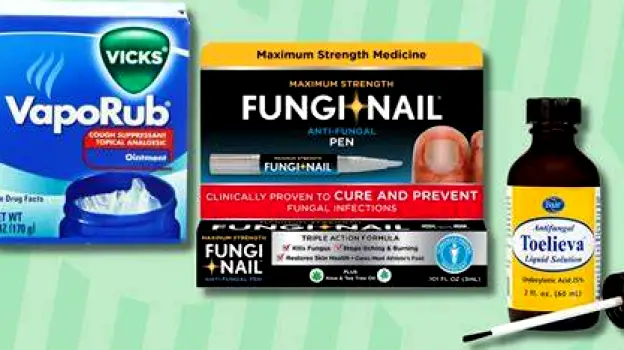
What Is the Best Treatment for Fungal Nail Infection?
Compare the best evidence-based treatments for fungal nails, from oral terbinafine and prescription topicals to home remedies and lasers, including safety and realistic timelines.
Image

Christina Piercing Explained: Placement, Suitability, Healing, and Risks
Find out where a Christina piercing sits, who may be anatomically suited, what it does, and what to consider about jewelry, healing, aftercare, and risks.
Image
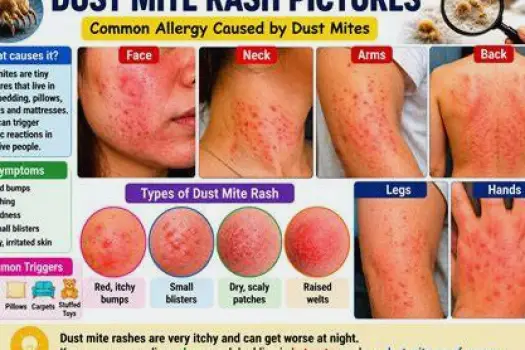
Dust Mite Rash Pictures: Appearance, Look-Alikes, and Diagnostic Limits
See what skin reactions linked with dust mite allergy may resemble, why they are not bites, what can mimic them, and when testing or urgent care matters.
Image
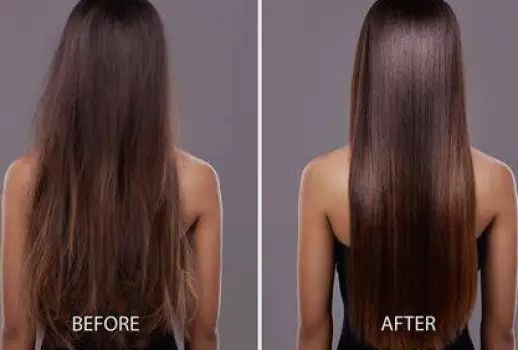
How Keratin Supports Hair—and What Keratin Treatments Actually Do
Keratin gives hair much of its strength and structure, while keratin products and salon treatments mainly create temporary cosmetic effects. See the benefits, limits, and formaldehyde risks.
Image
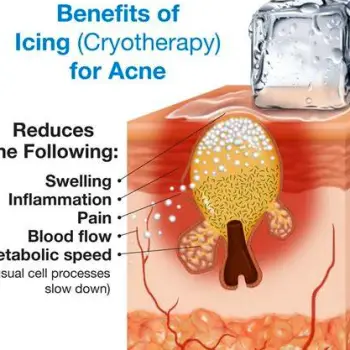
Does Ice Help Acne or Just Calm Inflamed Pimples?
Ice may temporarily calm a painful, inflamed pimple, but it cannot clear acne. Understand its limits, safe use, and when proven treatment is needed.
Image
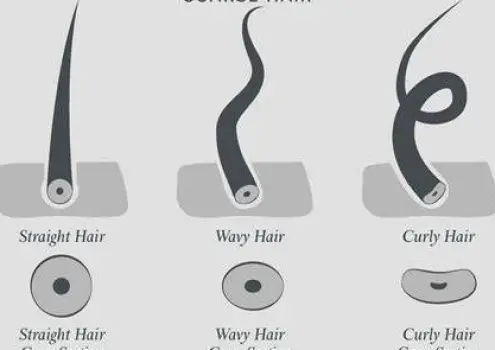
Coarse Hair Explained: Characteristics, Care, and Common Misconceptions
Coarse hair describes individual strands with a relatively large diameter—not hair density or curl pattern. Find out how to identify it, care for it, and recognize concerning changes.
Image
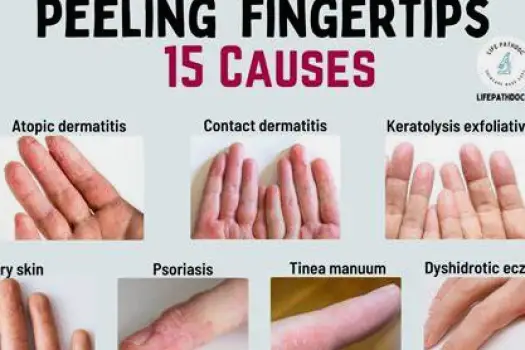
Peeling Skin on Fingers: Common Causes and Warning Signs
Peeling fingertips often reflect dryness, wet work, or contact dermatitis, but symptom patterns can point to eczema, psoriasis, infection, or a childhood illness. This guide explains likely causes, safe skin care, and when to seek medical help.
Image
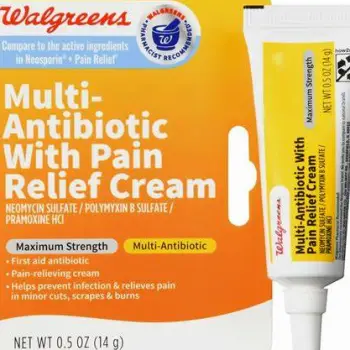
Best Antibiotic Cream for Boils: What Actually Helps?
Antibiotic creams usually cannot treat the pus pocket inside a boil. This evidence-based guide explains when drainage, warm compresses, prescription antibiotics, culture testing, and medical care may be appropriate.
Image
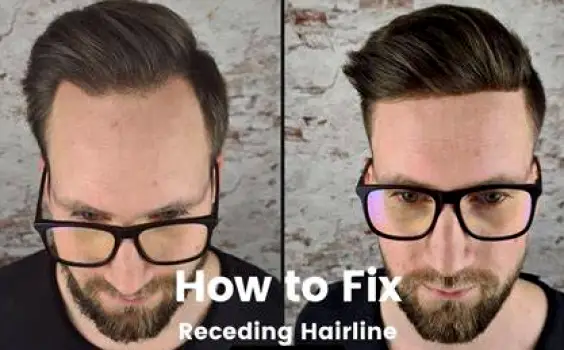
How to Address a Receding Hairline: Causes and Treatment Options
A practical, evidence-based guide to identifying a genuinely receding hairline, finding its cause, and comparing treatments that preserve hair, encourage regrowth, camouflage loss, or reconstruct the hairline.
Image
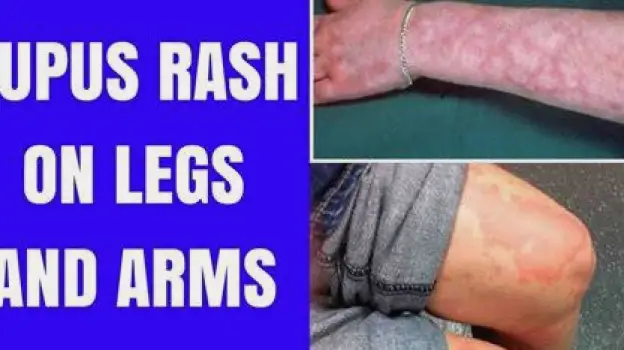
Lupus Rash on the Legs: Patterns, Clues, and Next Steps
A practical guide to lupus-related leg rashes, including discoid, subacute, acute, mottled, and vascular patterns; how clinicians distinguish them from look-alikes; and when skin changes need prompt medical evaluation.
Image
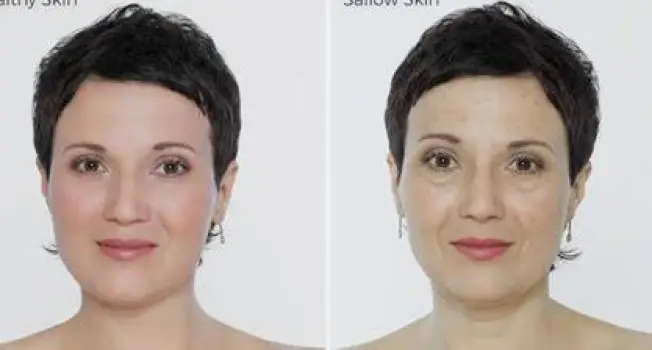
Sallow Skin: What It Looks Like, Causes, and What to Do
Sallow skin is a descriptive change in complexion, not a diagnosis. This brief guides an evidence-conscious article on its appearance, possible cosmetic and medical causes, sensible care, and signs that warrant medical evaluation.
Image

Which Piercings Hurt the Most? A Practical Pain Guide
A practical, evidence-aware guide to piercing pain: which placements are commonly rated most and least painful, why experiences vary, and how to distinguish a brief procedure from painful healing or infection.
Image
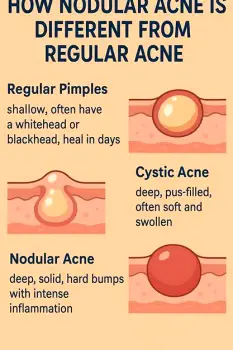
Nodular Acne at Home: Safe Care and When to See a Dermatologist
Safe, dermatologist-backed steps for easing a deep, painful acne nodule at home, what not to do, the limits of over-the-counter care, and when persistent or multiple nodules need medical treatment.
Image
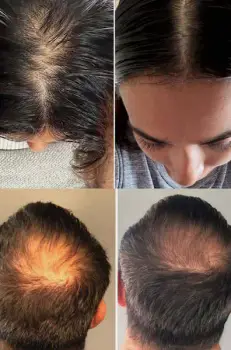
Can Scalp Massage Support Hair Growth? What the Evidence Shows
An evidence-led guide to whether scalp massage supports hair growth, what a small human study actually measured, how fingers and massage tools compare, and why the technique should not be presented as a proven hair-loss treatment.
Image
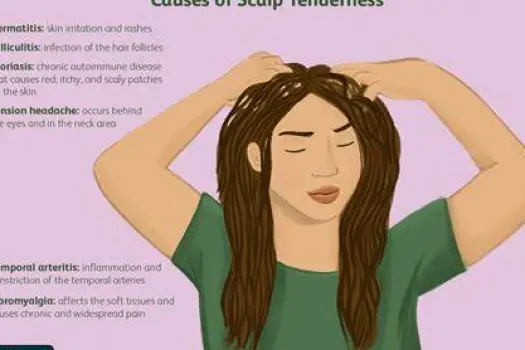
Why Your Scalp Feels Sore or Tender—and When to Get Help
A practical guide to why the scalp may hurt in one spot or all over, how accompanying skin, hair, headache, and nerve symptoms narrow the possibilities, what gentle measures are reasonable, and which warning signs need medical assessment.
Image
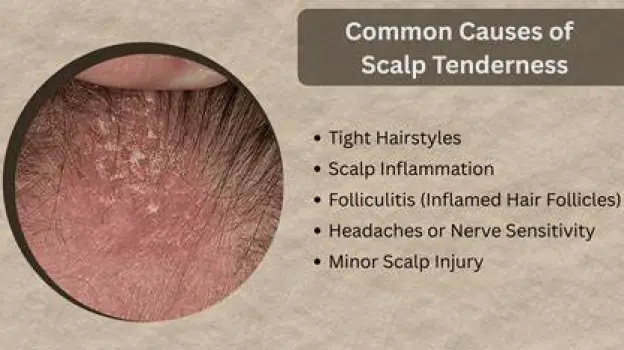
Why Is My Scalp Tender in One Spot? Causes and Warning Signs
A practical guide to a single tender spot on the scalp, explaining how visible changes, recent pressure or injury, headache symptoms, and hair loss help narrow the cause—and when prompt medical assessment is warranted.
Image
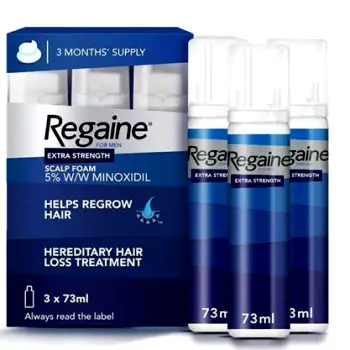
Regaine for Men Extra Strength: Use, Results, and Safety
A practical, safety-focused guide to Regaine for Men Extra Strength 5% minoxidil solution, covering suitable hair loss, correct application, realistic result timing, early shedding, side effects, and continued use.
Image
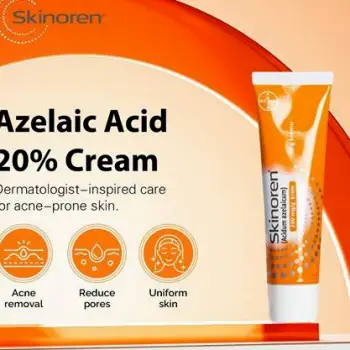
Azelaic Acid 20% Cream for Acne: Use, Results, and Safety
A practical, evidence-aware guide to azelaic acid 20% cream for acne: who it may suit, how to apply it correctly, when improvement may appear, how to manage irritation, and when to seek medical advice.
Image
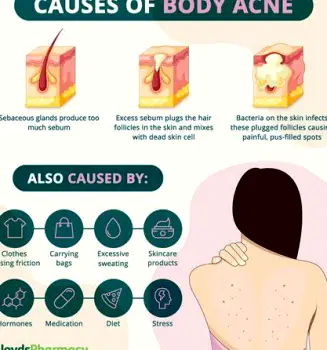
Chest and Back Acne: Causes, Treatments, and When to Seek Care
A practical, evidence-based guide to chest and back acne, covering how to recognize it, why sweat and friction can worsen it, which self-care treatments may help, realistic timelines, and signs that warrant dermatology care.
Image
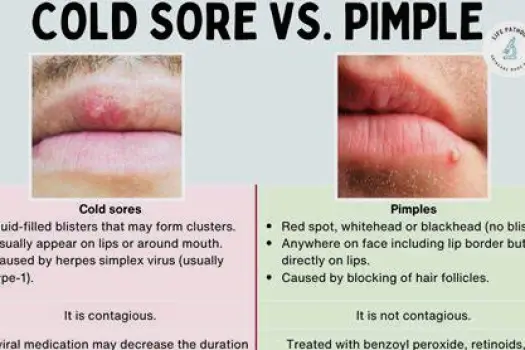
Cold Sore vs. Pimple on the Lip: How to Tell the Difference
Cold sore or lip pimple? Compare the warning sensations, blister or whitehead pattern, location, progression and contagiousness, then find cautious self-care guidance and signs that warrant professional assessment.
Image
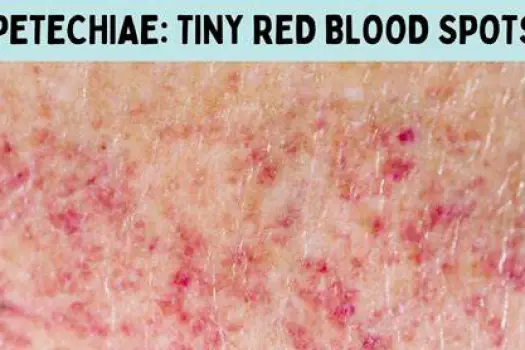
Petechiae Warning Signs: When the Spots Need Urgent Care
A practical guide to recognizing petechiae, understanding possible causes, and deciding how urgently to seek care—especially when spots spread rapidly or occur with fever, illness, bleeding, breathing difficulty, or reduced alertness.
Image
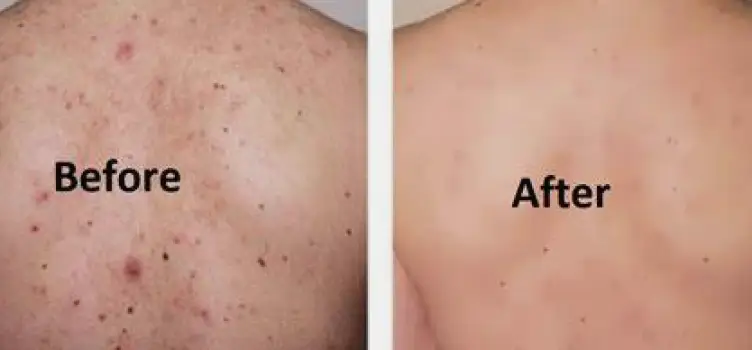
How to Treat Back Acne Safely and Know When to Get Help
A practical, evidence-based guide to treating mild or moderate back acne with over-the-counter products and acne-friendly habits, including realistic timelines, application tips, safety limits, and signs that warrant dermatology care.
Image
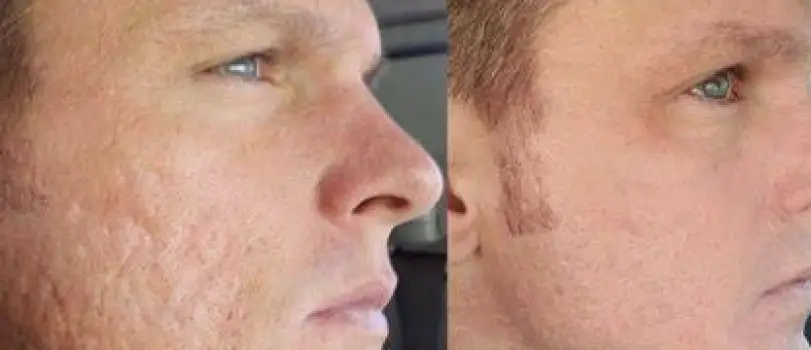
Can Retinol Fade Acne Scars? Benefits, Limits, and Safe Use
Retinol can fade post-acne discoloration and help prevent new acne, but its effect on indented or raised scars is limited. This guide separates marks from true scars and explains realistic use, safety, and treatment expectations.
Image
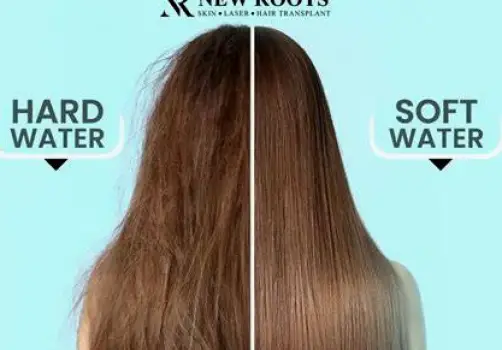
Can Hard Water Cause Hair Loss or Just Hair Breakage?
Hard water can leave mineral residue and may make hair feel dry or brittle, but evidence does not establish it as a direct cause of follicular hair loss. Separate breakage from shedding and consider other causes of thinning.
Image
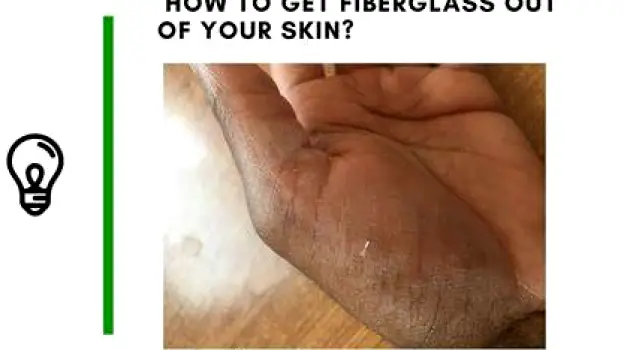
How to Remove Fiberglass from Skin Safely and Reduce Itching
A practical first-aid guide to removing fiberglass from skin, reducing irritation, preventing fibers from spreading, and recognizing eye, breathing, or persistent skin symptoms that need professional help.
Image
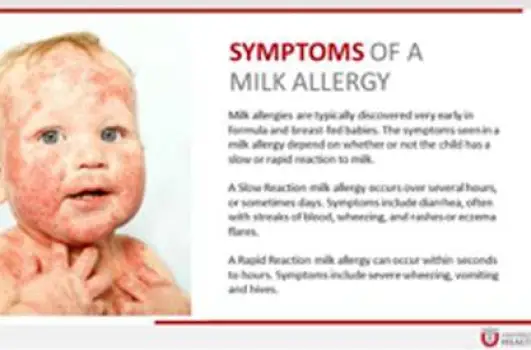
Milk Allergy Rashes: Appearance, Look-Alikes, and Next Steps
A practical guide to recognizing common cow’s milk allergy rash patterns, separating them from look-alikes, tracking exposure-related clues, understanding diagnosis, and knowing when symptoms require emergency care.
Image

Vitamins and Supplements for Eczema: What the Evidence Shows
An evidence-based guide to vitamins and supplements studied for atopic dermatitis, including vitamin D, vitamin E, probiotics, oils, zinc and melatonin, with clear limits, safety considerations and practical next steps.
Image
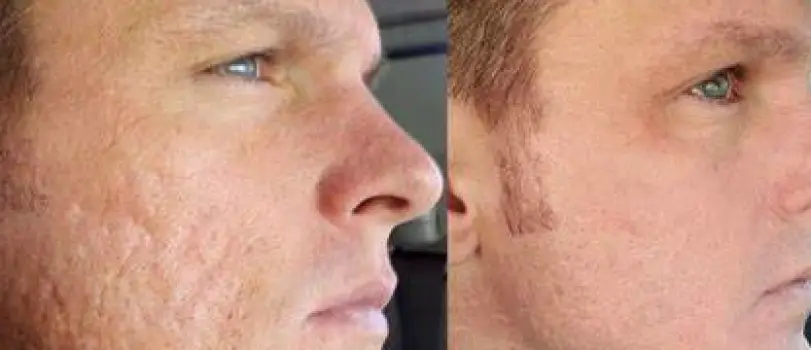
Does Retinol Help Acne Scars, Dark Marks, and Skin Texture?
Can retinol fade acne scars or only post-acne marks? This evidence-focused guide explains which concerns may improve, realistic limitations, safe use, side effects, and when professional scar treatment is more appropriate.
Image
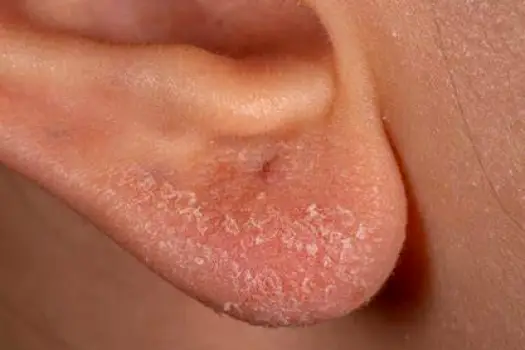
Dry, Flaky Skin in the Ear Canal: Causes and Safe Next Steps
A practical guide to dry, flaky skin in the ear canal: what the symptom may represent, clues that seborrheic dermatitis may be involved, safe boundaries for self-care, and signs that warrant medical assessment.
Image
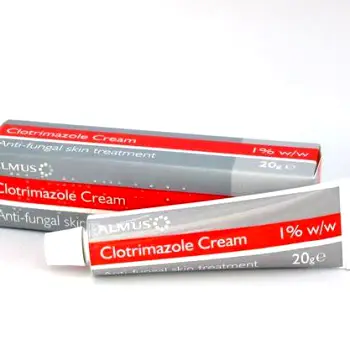
Clotrimazole Cream Uses, Application, and Safety Explained
A practical guide to clotrimazole skin cream: which fungal infections it treats, how it works, correct application, expected improvement, side effects, limitations, and when symptoms need professional assessment.
Image
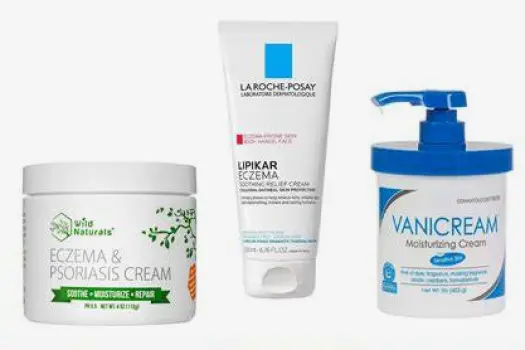
Best Over-the-Counter Eczema Creams: How to Choose Safely
A practical guide to choosing over-the-counter eczema care, comparing moisturizers, skin protectants and hydrocortisone while explaining ingredient selection, safe use and signs that require medical assessment.
Image
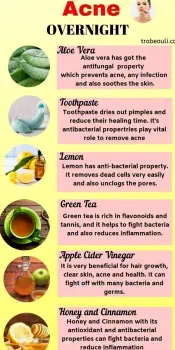
Can You Get Rid of Back Acne Overnight? What Actually Helps
Back acne cannot be cleared overnight, but a safe routine can start immediately. This brief covers realistic timelines, OTC benzoyl peroxide and adapalene, irritation-reducing skin care, prevention, and signs that warrant a dermatologist.
Image

Best Vitamins for Skin: Food Sources, Benefits, and Safety
A practical, evidence-aware guide to nutrients that support normal skin function, their best food sources, when supplements may be appropriate, and the safety limits consumers should understand before buying skin vitamins.
Image
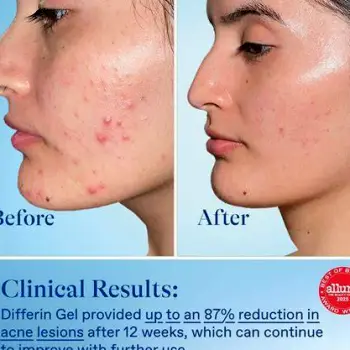
Differin Gel Before and After: Results, Timeline, and Safety
A medically grounded guide to Differin Gel before-and-after expectations, including the treatment timeline, realistic acne outcomes, correct use, early irritation, result tracking, and signs that professional review is needed.
Image
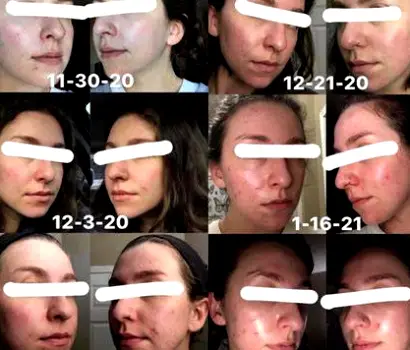
How Long Does Skin Purging Last—and Is It Really Purging?
Skin purging is not a firmly established medical diagnosis or a reliably timed process. This evidence-aware guide explains the often-cited 4–6 week estimate, how to distinguish irritation or acne, and when to reconsider a new product.
Image
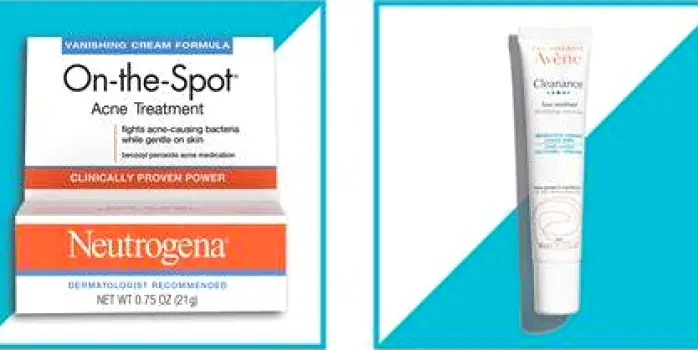
Best Acne Creams in the UK: Which Treatment Fits Your Skin?
A UK-focused guide to choosing an acne cream by spot type, severity, skin sensitivity and active ingredient, covering pharmacy and prescription options, realistic timelines, side effects and when to see a GP.
Image
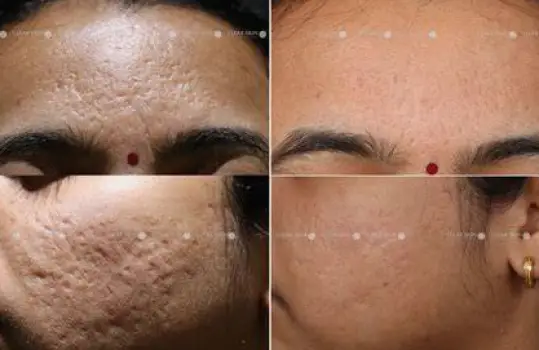
Best Acne Scar Treatments for Each Type of Scar
A practical, evidence-aware guide to matching acne scar treatment with scar type, separating discoloration from structural scars, comparing professional procedures, and setting realistic expectations about improvement, risks, and recovery.
Image
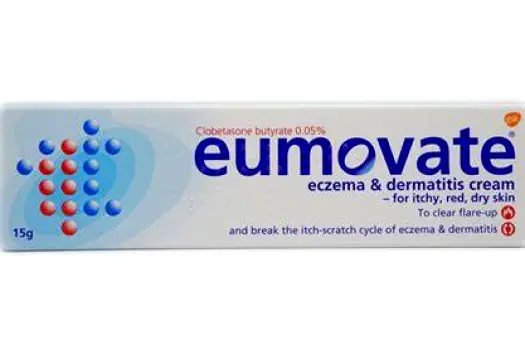
What Is Eumovate Cream Used For and How Should It Be Used?
A UK-focused guide to what Eumovate cream treats, how clobetasone reduces inflamed and itchy skin, correct application, cream-versus-ointment choice, key precautions, side effects, and when to seek clinical advice.