
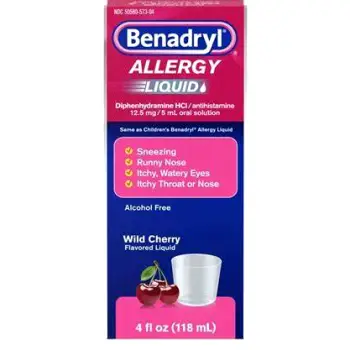
 h2>Can a dog take Benadryl?
Dogs can sometimes take diphenhydramine, the antihistamine commonly associated with the Benadryl brand, but only after a veterinarian confirms that it is appropriate. Veterinarians may use diphenhydramine for selected allergic reactions or for its anti-nausea and motion-sickness effects. Whether it is likely to help-and whether it is safe-depends on the dog's symptoms, health history, current medications, and the exact product.
Benadryl is a brand name, not a guarantee that every product contains only diphenhydramine. Products within the same brand family may have different active ingredients, inactive ingredients, strengths, or formulations. Some combination products can contain ingredients that are unsuitable or toxic to dogs. Always check the complete label rather than relying on the name on the front of the package.
In the United States, veterinary use of human diphenhydramine products is generally extra-label. The package directions are written for people and do not provide canine dosing instructions. Do not give a dog Benadryl based on human directions, a previous pet's dose, or an online calculator. Contact a veterinarian first and have the exact package available so they can review its ingredients and concentration.
What Benadryl can and cannot help in dogs
A veterinarian may recommend diphenhydramine for selected mild signs caused by histamine, depending on the suspected reaction and the dog's health. It may also be used for anti-nausea or motion-sickness effects in some dogs. Its usefulness varies by condition, so it should not be treated as a universal remedy for itching, swelling, vomiting, or other symptoms.
Diphenhydramine may temporarily reduce certain signs, but it does not identify or correct their underlying cause. Persistent itching, for example, can be related to allergies, parasites, infections, or other problems. Repeatedly suppressing symptoms without an examination may delay an accurate diagnosis and appropriate treatment. Diphenhydramine also should not be assumed to work reliably for chronic canine skin allergies.
Drowsiness is a possible side effect, not evidence that anxiety has been treated. Although a sleepy dog may appear calmer during travel, storms, or other stressful events, sedation does not address an underlying fear or anxiety disorder. A veterinarian can determine whether the problem is motion sickness, anxiety, or both and recommend an appropriate management plan.
Ask a veterinarian before calculating a dose
Diphenhydramine dosing is commonly based partly on body weight, but weight alone does not determine a safe or appropriate dose. A veterinarian must also consider why the medication is being used, the dog's health history, pregnancy status, other medications, and the exact formulation and concentration.
A veterinary reference lists an oral range of 2-4 mg/kg every 8-12 hours for dogs. This range is context for a veterinarian-confirmed plan, not a prescription or authorization to medicate at home. The appropriate product, amount, and interval may differ for an individual dog, and diphenhydramine may not be suitable at all.
Do not calculate a dose from an estimated weight, human package directions, breed, tablet size, or a dose previously given to another animal. Do not round or divide tablets without professional confirmation. Formulations can differ substantially, and measuring mistakes are especially possible when a product is a liquid or contains multiple ingredients. When calling the veterinarian, provide the dog's current measured weight and read the complete product label, including the active ingredient, concentration or strength, and inactive ingredients.
Benadryl Safety for Dogs
Check the active and inactive ingredients
Use only a specific product that a veterinarian has reviewed and approved. Confirm that diphenhydramine is the intended active ingredient, then inspect the entire label for additional active ingredients, inactive ingredients, concentration, and formulation details. The Benadryl name alone does not establish that a product is plain diphenhydramine or suitable for a dog.
Products marketed for colds, pain, sleep, nighttime symptoms, or congestion may contain multiple medicines. They cannot be treated as equivalent to plain diphenhydramine, even when the package includes the Benadryl name. Children's, liquid, chewable, and extended-release versions also require formulation-specific review rather than an assumption that they are safe.
Check carefully for xylitol, a sweetener that can cause rapid insulin release and severe low blood sugar in dogs. Higher exposures may also cause liver injury. Do not give a dog a liquid or chewable medicine containing xylitol. If a dog may have consumed a xylitol-containing product, promptly contact a veterinarian, emergency clinic, or animal poison-control service.
Keep the packaging available when speaking with a professional. The full ingredient list and concentration are more useful than the brand name alone.
Side effects, precautions, and drug interactions
Reported diphenhydramine side effects in animals include:

- Sedation
- Dry mouth
- Urinary retention
- Vomiting
- Diarrhea
- Paradoxical excitement rather than drowsiness
Mild sleepiness may occur, but pronounced sedation, unusual agitation, disorientation, breathing changes, or other substantial behavioral or physical changes warrant prompt veterinary advice. Severe signs require emergency assessment.
Diphenhydramine's sedating and anticholinergic effects can create additional concerns for dogs with glaucoma, cardiovascular disease, or urinary obstruction or retention. Pregnancy also needs to be discussed with a veterinarian before use.
Provide the veterinarian with a complete list of everything the dog receives, including prescription drugs, over-the-counter medicines, supplements, and as-needed products. Other sedating or anticholinergic medicines may change the risk assessment. This is not a complete list of possible conditions or interactions, so the absence of a specific condition or drug here does not establish that the combination is safe.
When Benadryl is not enough: emergency warning signs
Do not try Benadryl at home and wait for improvement if a dog may be experiencing anaphylaxis or another rapidly worsening reaction. Seek immediate emergency veterinary care for:
- Difficulty breathing
- Collapse
- Pale or blue gums or other mucous membranes
- Severe or rapidly progressive swelling
- Marked weakness
- Seizures
- Signs that are worsening quickly
Anaphylaxis is a medical emergency that requires rapid veterinary treatment. Epinephrine is the primary emergency drug when anaphylaxis is present. Diphenhydramine may be used as an adjunct by veterinary professionals, but it cannot replace epinephrine, airway support, circulation support, monitoring, or other emergency stabilization.
Call the emergency clinic while leaving if possible so staff can prepare, but do not delay transportation to calculate a dose or search for a product. Bring the medication package if anything has already been administered, and report the product, strength, amount, and time given.
What to do after an accidental or excessive dose
Treat an unknown dose, suspected overdose, or exposure to a combination product as urgent. Contact a veterinarian, emergency veterinary clinic, or animal poison-control service promptly. Keep the packaging and gather:
- The full product name
- Active and inactive ingredients
- Product strength or concentration
- Estimated amount swallowed
- Time of exposure
- The dog's current weight
- Symptoms observed
- Other medications or supplements the dog receives
Excessive diphenhydramine exposure can cause marked sedation or agitation, disorientation, an abnormal heart rate, tremors, seizures, respiratory depression, coma, and death. Breathing changes, collapse, seizures, tremors, profound sleepiness, severe agitation, or obvious disorientation require immediate emergency care.
Do not induce vomiting or give food, medicines, or home remedies unless a veterinarian or animal poison-control professional specifically instructs you to do so. The appropriate response depends on the product, ingredients, amount, timing, and the dog's condition. Bring the container or a clear photo of every label panel to the clinic whenever possible.