
 h2>What pain under the right collarbone may represent
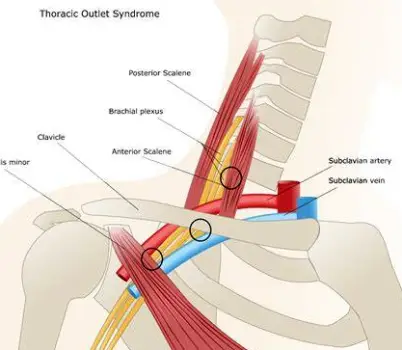
The area beneath the right collarbone, or right clavicle, contains several distinct structures that can generate pain, making the location alone insufficient for identifying a specific cause. This region is part of the thoracic outlet, a narrow anatomical space between the collarbone and the first rib. This space houses nerves, major blood vessels, and muscles that connect the neck and shoulder to the arm. Because these structures are packed closely together, irritation or compression in this area can create pain that feels like it is originating from the bone itself.
The perception of pain “under” the collarbone often extends beyond the bone and joints. The pain may actually arise from the soft tissues of the upper chest, the shoulder girdle muscles, or deeper structures within the thorax. The right lung, parts of the circulatory system, and nearby lymph nodes occupy the space beneath the clavicle. In women, breast tissue extends into the upper outer quadrant, reaching toward the armpit and collarbone area. Infections or inflammatory changes in the lymph nodes or breast tissue can manifest as discomfort in this specific region.
Right-sided location and female sex do not establish a specific diagnosis. While certain conditions have demographic or laterality preferences, pain in this area can stem from musculoskeletal strain, nerve compression, vascular issues, or systemic conditions. The anatomy of the thoracic outlet means that a problem affecting a nerve or blood vessel can produce pain that is perceived directly under the collarbone, even if the root issue involves compression from surrounding muscles or structural abnormalities.
Because the sources of discomfort in this area are varied, determining the cause requires looking at the nature of the pain, any associated symptoms, and the context in which it occurs. Pain under the right collarbone is rarely a standalone diagnosis; rather, it is a symptom that requires careful evaluation to distinguish between benign muscular issues and more serious conditions involving the lungs, heart, or circulation. Understanding that multiple structures contribute to this region helps clarify why medical assessment is often necessary to pinpoint the exact source of the discomfort.
Pattern clues that help narrow the possibilities
Identifying the cause of pain under the right collarbone relies on recognizing specific patterns in onset, triggers, and associated symptoms. The nature of the pain and the context in which it appears often distinguish musculoskeletal injury from nerve or vascular compression, and help separate local issues from chest or systemic conditions.
Trauma and movement provide critical clues. A direct fall onto the shoulder or an outstretched hand that is immediately followed by significant pain suggests a clavicle fracture. In such cases, pain typically worsens with any arm movement, and displaced fractures may present with visible deformity or bruising. Pain that is localized and reproducible by pressing on a specific spot, or that intensifies with shoulder rotation and lifting, often points to a muscle strain, joint injury, or overuse irritation. Pain that can be reproduced by movement is not automatically proof of a harmless musculoskeletal cause.
Positional triggers help distinguish nerve or blood-vessel involvement. Thoracic outlet syndrome, which involves compression or irritation of nerves and blood vessels in the space between the collarbone and first rib, often causes symptoms that worsen when the arm is raised overhead. Nerve compression typically produces aching, numbness, tingling, weakness, or hand clumsiness. Vascular compression may cause arm swelling, discoloration, coolness, or easy fatigue in the arm. These symptoms are distinct from simple joint pain and suggest that structures within the thoracic outlet are being compromised.
Breathing and systemic symptoms shift the urgency of assessment. Pain that worsens with deep breathing or coughing may indicate a lung-related issue, such as pleurisy or a pulmonary embolism, rather than a muscle strain. A pulmonary embolism can cause sudden sharp chest pain, difficulty breathing, a fast or irregular heartbeat, coughing blood, or lightheadedness. Heart-attack symptoms, which can occur in both women and men, may include chest discomfort, shortness of breath, or discomfort in the arms, back, shoulders, neck, or upper abdomen. Women may also experience nausea, dizziness, unusual fatigue, or other symptoms, sometimes with little or no chest pain. Right-sided pain alone does not rule out cardiac or pulmonary emergencies.
Local changes in the breast or lymph nodes also provide specific clues. In women, breast changes that merit clinical assessment include a new lump or thickening, unusual skin or nipple changes, nipple discharge, constant breast or armpit pain, or swelling in the armpit or around the collarbone. Swollen lymph nodes often accompany infection, but nodes located above or below the collarbone, nodes that feel hard or fixed, or swelling accompanied by night sweats or high temperature require prompt medical advice. Difficulty breathing or swallowing with swollen glands requires urgent help.
No single clue provides a definitive diagnosis. Clinicians look for combinations of features-such as the mechanism of injury, the presence of neurological or vascular changes, and associated systemic symptoms-to determine the most likely cause and the appropriate next steps for evaluation.
Pain Under the Right Collarbone
Muscles, joints, and collarbone injuries
Musculoskeletal issues are among the most common causes of pain beneath the collarbone, particularly when the discomfort is linked to movement or physical impact. The clavicle itself, along with the acromioclavicular and sternoclavicular joints that connect it to the shoulder blade and breastbone, are frequent sites of injury. Because this area is central to shoulder movement, even minor strains can cause significant discomfort that radiates or is perceived directly under the bone.
A clavicle fracture typically results from a direct fall onto the shoulder or an outstretched hand. The pain associated with such a fracture is usually immediate and severe, worsening dramatically with any arm movement. In cases where the bone is displaced, visible deformity or a palpable gap may be apparent. Evaluation of a suspected fracture commonly involves a physical examination and radiographic imaging. While many isolated clavicle fractures are managed without surgery, the specific treatment approach depends on the fracture's location, the degree of fragmentation, and how much the bone fragments have shifted.
In addition to fractures, injuries to the acromioclavicular or sternoclavicular joints can produce localized pain. These joints may be sprained or strained due to trauma or repetitive stress. Pain from joint injuries is often sharp and concentrated at the specific joint line. It is typically reproducible by pressing on the area or by moving the arm in ways that stress the joint, such as reaching across the body or lifting overhead.

Muscle and soft-tissue injuries also contribute to collarbone-area pain. The pectoralis major, pectoralis minor, and various neck and shoulder muscles attach near the clavicle. Overuse, poor posture, or sudden physical exertion can strain these muscles, leading to aching or tightness beneath the collarbone. This type of pain is often aggravated by specific movements or sustained positions, such as holding a computer mouse or carrying a heavy bag on one shoulder.
While arthritis and posture-related irritation can cause chronic discomfort in the shoulder girdle, these conditions are generally less acute than traumatic injuries. Posture-related pain often develops gradually and is associated with prolonged sitting or repetitive tasks. Pain which is reproducible with movement or pressure, while often musculoskeletal in origin, should not automatically be dismissed as harmless. If the pain is severe, persistent, or accompanied by other concerning symptoms, professional evaluation is necessary to rule out more significant injury or other underlying conditions.
Nerve or blood-vessel compression
Pain perceived under the collarbone can originate from the thoracic outlet, the anatomical space between the clavicle and the first rib. This narrow corridor contains the brachial plexus (a network of nerves), the subclavian artery, and the subclavian vein. When these structures are compressed or irritated, the resulting discomfort is often distinct from the localized soreness of a muscle strain or joint injury. Because the thoracic outlet houses multiple critical structures, compression can manifest in various ways depending on whether nerves, blood vessels, or both are involved.
Thoracic outlet syndrome is not a single condition but rather a group of uncommon disorders caused by this compression. The symptoms vary significantly based on which structures are affected. Nerve compression typically produces neurological sensations in the upper extremity. Individuals may experience aching, numbness, or tingling in the neck, shoulder, arm, or hand. Weakness in the affected arm or clumsiness in the hand, such as difficulty gripping objects or performing fine motor tasks, are also common indicators of nerve involvement.
Vascular compression presents with different signs, reflecting compromised blood flow. If the subclavian vein is compressed, the arm may become swollen, discolored (often appearing blue or purple), or feel cool to the touch. If the subclavian artery is compressed, the arm may feel weak, cool, or fatigue easily during use. These vascular symptoms distinguish thoracic outlet syndrome from simple musculoskeletal pain, as they involve changes in circulation and tissue health rather than just local inflammation.
A key feature of thoracic outlet syndrome is that symptoms often worsen with overhead activity. Raising the arms above the head narrows the thoracic outlet further, increasing pressure on the nerves and blood vessels. Activities such as brushing hair, reaching for high shelves, or holding a heavy object overhead can trigger or exacerbate pain, tingling, or arm fatigue. This positional trigger helps distinguish thoracic outlet syndrome from other causes of collarbone pain, such as arthritis or tendonitis, which are typically aggravated by specific shoulder movements rather than arm elevation.
Thoracic outlet syndrome cannot be diagnosed through symptoms or a single home maneuver alone. The symptoms of nerve compression, such as arm tingling, can also be caused by cervical nerve disorders in the neck or other conditions. Clinical assessment is necessary to confirm the diagnosis. This involves a history review, physical examination, and tests designed to reproduce symptoms, along with imaging or nerve-conduction studies to evaluate circulation and nerve function. Clinicians may also need to exclude other conditions that mimic these symptoms to ensure an accurate diagnosis.
Chest and lung-related causes
Pain perceived beneath the collarbone can overlap significantly with general chest pain, making it difficult to distinguish between a musculoskeletal strain and a deeper issue involving the lungs or circulatory system. Because the upper chest cavity houses the lungs and major blood vessels, discomfort in this area may originate from the pleura (the lining of the lungs), the lung tissue itself, or the heart. Assuming that pain under the collarbone is merely a muscle strain can be dangerous if the underlying cause is pulmonary or cardiovascular.
Pain that worsens with deep breathing, coughing, or sneezing is known as pleuritic pain. This pattern often suggests irritation of the pleura, which can occur due to infections, inflammation, or blood clots in the lungs. A pulmonary embolism, which is a blood clot in the lung, is a serious condition that can cause sudden, sharp chest pain that intensifies with inhalation. Other symptoms of a pulmonary embolism may include difficulty breathing, a fast or irregular heartbeat, coughing up blood, lightheadedness, or fainting. These symptoms require immediate medical attention, as a pulmonary embolism is a life-threatening emergency.

Heart-related issues also present with symptoms that can be confused with collarbone or chest pain. While heart attacks are often associated with central chest pressure, women may experience a wider variety of symptoms. Common signs include shortness of breath, discomfort in the arms, back, shoulders, neck, jaw, or upper abdomen. Women may also report nausea, dizziness, unusual fatigue, or a sense of impending doom, sometimes with little or no chest pain at all. It is a critical misconception that right-sided pain rules out a heart attack. Cardiac events can present with discomfort on the right side of the chest or shoulder, and assuming that a right-sided location is safer than a left-sided one can delay life-saving treatment.

Emergency evaluation is warranted for sudden crushing or pressure-like chest pain, pain spreading to the jaw, arm, or between the shoulder blades, or chest symptoms accompanied by nausea, dizziness, sweating, rapid heartbeat, or shortness of breath. Sudden sharp chest pain with breathlessness, especially after a period of immobility or when one leg is swollen, can indicate a pulmonary embolism. Because these conditions are medical emergencies, any pain under the collarbone accompanied by these systemic or respiratory symptoms should be treated with urgent medical care rather than self-monitoring.
Breast, lymph-node, and infection-related concerns
Discomfort beneath the right collarbone can also originate from the breast tissue, lymph nodes, or localized infections, particularly in women. Because the upper outer quadrant of the breast extends toward the armpit and the area under the collarbone, changes in these tissues can manifest as pain that feels like it is coming from the bone or joint. Isolated collarbone pain is not a typical or reliable sign of breast cancer, and most breast changes are benign. Specific findings in this region warrant professional clinical assessment to determine the underlying cause.
Breast-related changes that require medical evaluation include a new lump or thickening, unusual changes to the skin or nipple, nipple discharge, constant pain in the breast or armpit, and swelling in the armpit or around the collarbone. While many of these changes are not cancerous, any new or persistent alteration in breast tissue should be examined by a clinician. Pain that is constant and localized to the breast or armpit, rather than intermittent and related to movement, is more likely to originate from the breast tissue or associated lymph nodes than from the musculoskeletal structures of the shoulder.

Lymph nodes are part of the immune system and often swell in response to nearby infections. While swollen glands are common and usually harmless, specific characteristics of lymph node swelling near the collarbone should prompt a medical review. Lymph nodes located above or below the collarbone, nodes that feel hard or fixed in place, or swelling accompanied by systemic symptoms such as night sweats or high temperature are reasons to seek prompt clinical advice. Difficulty breathing or swallowing in the presence of swollen glands requires urgent help, as it may indicate significant swelling affecting the airway or surrounding structures.
Infection is a less common but possible cause of pain in this area. Pain accompanied by warmth, redness, swelling, fever, or drainage at the site may suggest a localized skin or soft-tissue infection. This is more likely if there has been recent surgery, injury, or skin breakdown in the area. In these cases, the pain is typically accompanied by visible signs of inflammation and systemic symptoms like fever. It is important not to assume that pain alone indicates an infection or cancer; rather, the combination of pain with these specific clinical signs guides the need for treatment. If pain is the only symptom, without redness, fever, or a palpable lump, the likelihood of a serious infectious or malignant process is lower, though persistent pain should still be evaluated to rule out other causes.
When the pain needs urgent medical attention
Determining whether pain under the right collarbone requires emergency intervention or routine evaluation depends on the associated symptoms and the nature of the onset. While many cases involve benign musculoskeletal issues, certain patterns indicate life-threatening conditions such as heart attacks or pulmonary embolisms that demand immediate care.
Seek emergency medical help immediately if the pain is accompanied by any of the following signs of a cardiac or pulmonary emergency:
- Chest pressure or crushing pain: Sudden, severe, or pressure-like pain in the chest, especially if it spreads to the jaw, arm, neck, or between the shoulder blades.
- Breathing difficulties: Sudden shortness of breath, difficulty breathing, or rapid breathing, particularly if it occurs with or without chest pain.
- Signs of pulmonary embolism: Sudden sharp chest pain that worsens with a deep breath or cough, combined with breathlessness, especially if there is a history of recent immobility or swelling in one leg.
- Circulatory changes: Coughing up blood, fainting, or lightheadedness.
- Systemic symptoms: Nausea, dizziness, cold sweats, or a rapid or irregular heartbeat accompanying the pain.
Women may experience heart-attack symptoms differently than men, often with less prominent chest pain. Unusual fatigue, nausea, or discomfort in the back, shoulders, or neck can be the primary indicators. Because right-sided pain does not rule out a heart attack or other serious conditions, these symptoms should always be treated as emergencies.
Arrange a prompt routine evaluation with a clinician if the pain does not meet the criteria for an emergency but includes the following features:
- Persistent or worsening pain: Discomfort that lasts for more than a few days, interferes with daily activities, or worsens despite rest.
- Impaired function: Inability to move the arm, shoulder, or neck without severe pain, or weakness in the arm or hand.
- Visible deformity or swelling: Significant swelling, bruising, or a visible lump or deformity near the collarbone, which may indicate a fracture or joint injury.
- Neurological symptoms: Numbness, tingling, or weakness in the arm or hand that persists or worsens, suggesting nerve compression.
- Lumps or breast changes: A new lump in the breast, armpit, or collarbone area, or unusual skin or nipple changes, which require clinical assessment to rule out serious conditions.
- Signs of infection: Fever, night sweats, or swollen lymph nodes that are hard, fixed, or accompanied by pain, especially if located above or below the collarbone.
Do not attempt to self-diagnose the cause of the pain based on location alone. If you are unsure whether your symptoms are urgent, it is safer to seek medical attention promptly. Emergency services should be called for any symptoms suggesting a heart attack, pulmonary embolism, or severe trauma. For non-emergency concerns, a primary care clinician can perform an examination and order appropriate tests to determine the cause and guide treatment.
How clinicians evaluate the symptom
Clinicians approach the evaluation of pain under the right collarbone by correlating the patient's history with a targeted physical examination. The goal is to determine whether the discomfort originates from the musculoskeletal structures of the shoulder and chest, the nerves and blood vessels of the thoracic outlet, or deeper structures within the chest cavity. Because the location alone cannot identify the cause, clinicians rely on specific questions and physical signs to narrow the possibilities and decide on the appropriate diagnostic testing.
The initial assessment focuses on gathering a detailed history. Clinicians ask about the onset of pain, noting whether it began suddenly after an event like a fall or developed gradually over time. They inquire about the exact location and whether the pain radiates to the arm, neck, or chest. Understanding what aggravates or relieves the pain is critical; for instance, pain that worsens with deep breathing or coughing suggests a pulmonary or pleural issue, while pain triggered by overhead arm movements points toward thoracic outlet syndrome. Clinicians also ask about associated symptoms, such as shortness of breath, dizziness, swelling, or changes in breast tissue, which help distinguish between benign muscular strain and more serious cardiac, vascular, or infectious conditions.
A physical examination follows, tailored to the suspected cause based on the history. If a clavicle fracture is suspected due to trauma, the clinician examines the collarbone for deformity, swelling, bruising, and tenderness, and assesses the range of motion in the shoulder and arm. If nerve or blood-vessel compression is suspected, the examination includes checking for pulses in the arm, assessing for color changes or swelling, and testing for neurological deficits such as numbness, tingling, or weakness in the hand and fingers. Clinicians may perform specific maneuvers to reproduce symptoms, helping to identify if the thoracic outlet is being compromised. They also examine the chest wall to check for tenderness to pressure, which can indicate muscle strain or costochondritis, and inspect the breast and lymph nodes in the armpit and collarbone area for lumps, thickening, or signs of infection.
Testing is not routinely required for every case of collarbone pain. If the history and examination strongly suggest a simple musculoskeletal injury, such as a muscle strain, clinicians may recommend conservative management and monitor for improvement. If a fracture is suspected, radiographs (X-rays) are typically ordered to confirm the diagnosis and assess the degree of displacement. For suspected thoracic outlet syndrome, clinicians may order additional tests, such as imaging to visualize the bones and soft tissues, or nerve-conduction studies and vascular tests to evaluate blood flow and nerve function. These tests help confirm the diagnosis and exclude other conditions, such as cervical nerve compression or blood clots.
When chest or lung-related causes are suspected, the evaluation expands to include cardiovascular and pulmonary assessments. This may involve an electrocardiogram (ECG) to check heart rhythm, blood tests to look for markers of heart damage or infection, and imaging of the chest, such as a chest X-ray or CT scan, to evaluate the lungs and blood vessels. If a pulmonary embolism or heart attack is a concern, urgent testing is initiated immediately.
The choice of tests depends entirely on the findings from the history and physical examination, along with the patient's risk factors. Clinicians do not order extensive testing for every patient with collarbone pain; rather, they tailor the evaluation to the specific suspected cause. For example, a young athlete with a clear history of shoulder trauma will likely receive X-rays, while a middle-aged woman with new breast changes will undergo a clinical breast exam and possibly imaging. If thoracic outlet syndrome is suspected, clinicians recognize that there is no single definitive home test or symptom that confirms the diagnosis; instead, they use a combination of physical maneuvers, imaging, and electrodiagnostic tests to support the clinical impression and rule out other potential causes.
Safe next steps for mild pain
If the pain under the right collarbone is mild, does not interfere with daily activities, and is not accompanied by any of the emergency or urgent warning signs described previously, several cautious self-care and monitoring steps can be taken. These measures are appropriate only when there has been no recent trauma, visible deformity, sudden breathing difficulty, chest pressure, or new lumps.
The first step is to reduce activity that provokes the discomfort. This may involve avoiding heavy lifting, overhead reaching, or prolonged periods in positions that strain the neck and shoulder. If the pain is related to posture or repetitive use, such as working at a computer or carrying a bag on the same shoulder, adjusting these habits may provide relief. It is important not to immobilize the shoulder completely unless directed by a clinician, as prolonged inactivity can lead to stiffness.
Tracking the pain's characteristics can help clarify its nature and guide future medical consultations. Note when the pain started, what activities make it better or worse, and whether it is constant or intermittent. Pay attention to whether pressing on a specific spot reproduces the pain, which often suggests a musculoskeletal source, and observe if any associated symptoms develop, such as numbness, tingling, or swelling in the arm.
Over-the-counter pain relievers may be used for temporary relief, but readers should consult a pharmacist or clinician to ensure these medications are safe for their specific health profile, especially if they have other medical conditions or take other prescriptions. Product-specific guidance should always be sought rather than relying on general advice.
If the pain persists beyond a few days, worsens over time, or begins to limit normal movement, it is time to arrange a routine evaluation with a healthcare provider. Persistent discomfort, even if mild, warrants professional assessment to rule out underlying issues that may not have been apparent initially.
The location of the pain beneath the collarbone, while helpful in guiding the differential diagnosis, does not definitively identify the cause. Only a clinical examination, potentially supported by targeted testing, can confirm whether the issue is a simple muscle strain, a joint injury, or something requiring further investigation. When in doubt, seeking medical advice is always the safer choice.