
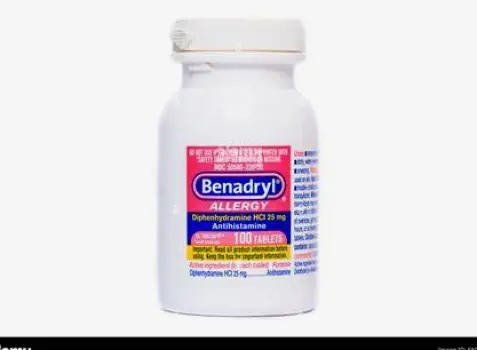
 h2>The short answer: should you take 75 mg of Benadryl for sleep?
No. A 75 mg dose of Benadryl containing diphenhydramine hydrochloride exceeds the United States FDA-labeled maximum bedtime dose for over-the-counter nighttime sleep aids, which is 50 mg. The US monograph for OTC nighttime sleep-aid drug products designates 50 mg at bedtime for adults and children 12 years and older, or as directed by a doctor, making a self-selected 75 mg dose above the labeled sleep dose. Products containing diphenhydramine must not be used in children under 12 years of age.
Because milligram amounts are not interchangeable across all diphenhydramine products, check the active ingredient and strength on your specific bottle. Some sleep products use diphenhydramine citrate instead of hydrochloride, and many combination products include additional active ingredients that change the overall safety profile. Do not assume that 75 mg of one salt equals 75 mg of another, or that adding more pills is safe just because the product is sold over the counter.
If you are considering taking 75 mg intentionally, the labeled guidance applies: do not exceed the recommended 50 mg bedtime dose. If you have already swallowed 75 mg, do not take any additional diphenhydramine or other sedating substances, and contact a poison-control service or medical professional promptly for guidance appropriate to your country.
Why Benadryl causes sleepiness
Diphenhydramine is a sedating first-generation antihistamine. Its primary mechanism for causing sleepiness is blocking histamine receptors in the brain, which naturally promotes drowsiness. While this sedative effect can make it easier to fall asleep, drowsiness is not proof of restorative or appropriate insomnia treatment.
Clinical studies evaluating the standard 50 mg bedtime dose have shown that it produces next-day sleepiness and impairs psychomotor performance in healthy adults. This residual impairment highlights that the drug's effects extend well beyond the night of use. These findings do not establish the effects or safety of a 75 mg bedtime dose.
The American Academy of Sleep Medicine guideline suggests that clinicians not use diphenhydramine to treat sleep-onset or sleep-maintenance insomnia in adults. This recommendation is based on limited evidence and does not mean that every single use causes harm, but it indicates that sedation alone does not address the underlying mechanisms of chronic insomnia. Feeling drowsy does not make Benadryl an appropriate long-term solution for sleep disorders.
Risks of taking more than the labeled sleep dose
Increasing the dose beyond the labeled 50 mg limit can increase sedation and anticholinergic effects without guaranteeing better sleep. Higher doses amplify the drug's impact on the central nervous system, which can lead to significant next-day impairment. A randomized study of the 50 mg dose found impaired psychomotor performance the following day; the effects of a higher dose are expected to be at least as pronounced, if not more severe.
The FDA warns that taking higher-than-recommended doses of diphenhydramine can cause serious heart problems, seizures, coma, or death. These serious manifestations represent the upper end of the risk spectrum but underscore that exceeding the labeled dose is dangerous.
US labeling instructs users to avoid alcoholic beverages and warns that marked drowsiness may occur. Users should be careful when driving a motor vehicle or operating machinery after use. The label warns users to ask a doctor before taking diphenhydramine if they are taking sedatives or tranquilizers. Combining diphenhydramine with other central nervous system depressants significantly increases the risk of excessive sedation and respiratory depression.
What to Know About Benadryl Sleep Dosing
What to do if you already took 75 mg
If you have already swallowed 75 mg of diphenhydramine, do not take any additional diphenhydramine or another product containing it. Do not consume alcohol or other sedating substances. Contact a poison-control service or obtain medical help promptly for an above-label dose, using the service appropriate to the reader's country. Official guidance advises urgent medical guidance even without symptoms when a dose exceeds the recommended amount.
Monitor for emergency warning signs that require immediate help. Collapse, seizure, trouble breathing, inability to awaken, hallucinations, marked confusion or agitation, and a very fast or irregular heartbeat are reasons for emergency assistance. UK guidance identifies a very fast or irregular heartbeat, seizure, unconsciousness, uncontrolled movements, confusion or agitation, speech difficulty, and hallucinations as emergency warning signs. While these specific symptoms are drawn from UK guidance, they reflect the serious anticholinergic and cardiac effects of high-dose diphenhydramine.
Do not attempt to induce vomiting or manage suspected toxicity at home. Keep the person awake and comfortable if possible, and stay in contact with medical professionals for further instructions. Risk depends on the person, product, co-ingestants, and symptoms, but the dose is above the US sleep-aid label and warrants professional assessment.
Who should avoid Benadryl or seek advice first
Certain health conditions and medications make diphenhydramine riskier. US labeling warns users to ask a doctor before taking diphenhydramine as a nighttime sleep aid if they have a breathing problem such as emphysema or chronic bronchitis, glaucoma, or difficulty urinating due to an enlarged prostate. It also says to ask a doctor or pharmacist before use when taking sedatives or tranquilizers. These conditions are exacerbated by the anticholinergic effects of the drug, which can worsen urinary retention, increase intraocular pressure, and depress respiratory function.
Adults aged 65 or older are especially vulnerable to anticholinergic adverse effects. The 2023 American Geriatrics Society Beers Criteria lists oral diphenhydramine among first-generation antihistamines to avoid in most older adults because it is highly anticholinergic and carries risks including confusion, dry mouth, constipation, and other anticholinergic toxicity. The criteria note that use for severe allergic reactions may still be appropriate, but for sleep, the risks outweigh the benefits in this population.
The US nighttime sleep-aid monograph says not to use diphenhydramine in children under 12 years of age. Do not generalize adult dosing to children or use over-the-counter antihistamines for pediatric sleep without explicit medical direction.
Why Benadryl is not a good long-term sleep solution
Occasional sleeplessness differs fundamentally from chronic insomnia. Diphenhydramine provides sedation, but it does not address the underlying physiological or psychological drivers of a sleep disorder. The American Academy of Sleep Medicine suggests that clinicians not use diphenhydramine to treat sleep-onset or sleep-maintenance insomnia in adults because the evidence does not show clinically meaningful benefit for chronic management. This is a weak recommendation based on limited evidence, but it signals that the drug is not a sustainable solution.
The body can develop tolerance to the sedative effects of diphenhydramine, meaning a higher dose may be needed to achieve the same effect over time, which increases the risk of adverse events. The US OTC labeling says to stop use and ask a doctor if sleeplessness persists continuously for more than two weeks because insomnia may be a symptom of a serious underlying medical illness. Relying on increasing doses to mask persistent sleep difficulty delays proper diagnosis and treatment.
Safer next steps for persistent sleep problems
If you are struggling with persistent sleep difficulty, the safest next step is to review your exact product and all medicines or substances with a pharmacist or clinician rather than choosing a higher dose. Self-medicating with increasing amounts of diphenhydramine can mask underlying health issues and create new safety problems.
Persistent insomnia warrants assessment for contributing health, medication, substance, schedule, or sleep-disorder factors. A clinician can evaluate whether conditions such as sleep apnea, anxiety, depression, or thyroid disorders are driving your sleeplessness. Treating the root cause is far more effective than attempting to sedate through the night with an antihistamine.
The American College of Physicians recommends cognitive behavioral therapy for insomnia as the initial treatment for adults with chronic insomnia disorder. CBT-I addresses the thoughts and behaviors that perpetuate insomnia and has been shown to be more effective and sustainable than medication for long-term sleep improvement. Medication decisions should follow shared discussion of benefits, harms, and costs when CBT-I alone is unsuccessful. Do not attempt to manage chronic insomnia by increasing over-the-counter doses; seek professional guidance for a structured treatment plan.